
Malware has become a rapidly evolving threat in the cyber world. People, businesses, and even governments are in dire need of malware analysis and detection methods to protect themselves from these threats and keep their data safe. These processes are vital to detecting, analyzing, and neutralizing threats.
- Detection and Collection: The malware analysis process starts with identifying potential malware samples. These samples can come from different sources such as security logs, email attachments, or malicious links.
- Analyze and Isolate: Samples are isolated and analyzed in a secure environment. This step is important to understand how the malware works, what effects it has, and how it spreads.
- Root Cause Analysis: A more in-depth analysis is performed to understand the root causes, such as how the malware was developed, what vulnerabilities it targeted, and how it spread.
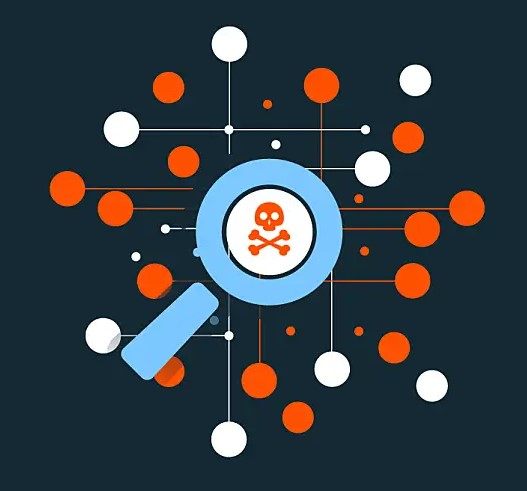
Malware Detection:
- Signature-Based Detection: Signatures of malware with certain characteristics are identified and malware bearing these signatures are detected. However, it may be difficult to detect new or original malware.
- Behavior-Based Detection: The behavioral patterns of malware are analyzed. When abnormal behavior or atypical operations are detected, malware can be detected.
- Machine Learning and AI: Machine learning and AI algorithms can detect malware by spotting anomalies and patterns in large data sets, providing better protection against constantly updated threats.
Malware analysis and detection are a cornerstone of a cybersecurity strategy. These processes are essential for businesses and individuals to protect their digital assets, prevent data leaks, and become more resilient to cyberattacks.

Strategy
Malware analysis and detection is a cornerstone of any cybersecurity strategy.
Period
Protecting the digital assets of businesses and individuals is important to prevent data leaks and become more resilient to cyberattacks.
Behaviour
Malware behavior patterns are analyzed. Malware can be detected when abnormal behavior or atypical operations are detected .